
How to Start a Tools Dropshipping Business in the UK (2024 Guide)
The UK tools and van accessories market is worth over £2 billion annually, and a significant and growing share of that is moving online. Tradespeople are increasingly buying their tools, racking, and van security products from specialist online retailers rather than trade counters. This creates a genuine opportunity for a dropshipping business — and you don't need a warehouse, a large budget, or any prior ecommerce experience to get started.
What Is Dropshipping?
Dropshipping is a retail fulfilment model where you sell products online without holding any stock. When a customer places an order on your website, you forward that order to your supplier, who ships the product directly to the customer. You keep the difference between your selling price and the supplier's wholesale price. Your risk is essentially zero — you only pay the supplier after you've been paid by the customer.
Why Tools and Van Accessories?
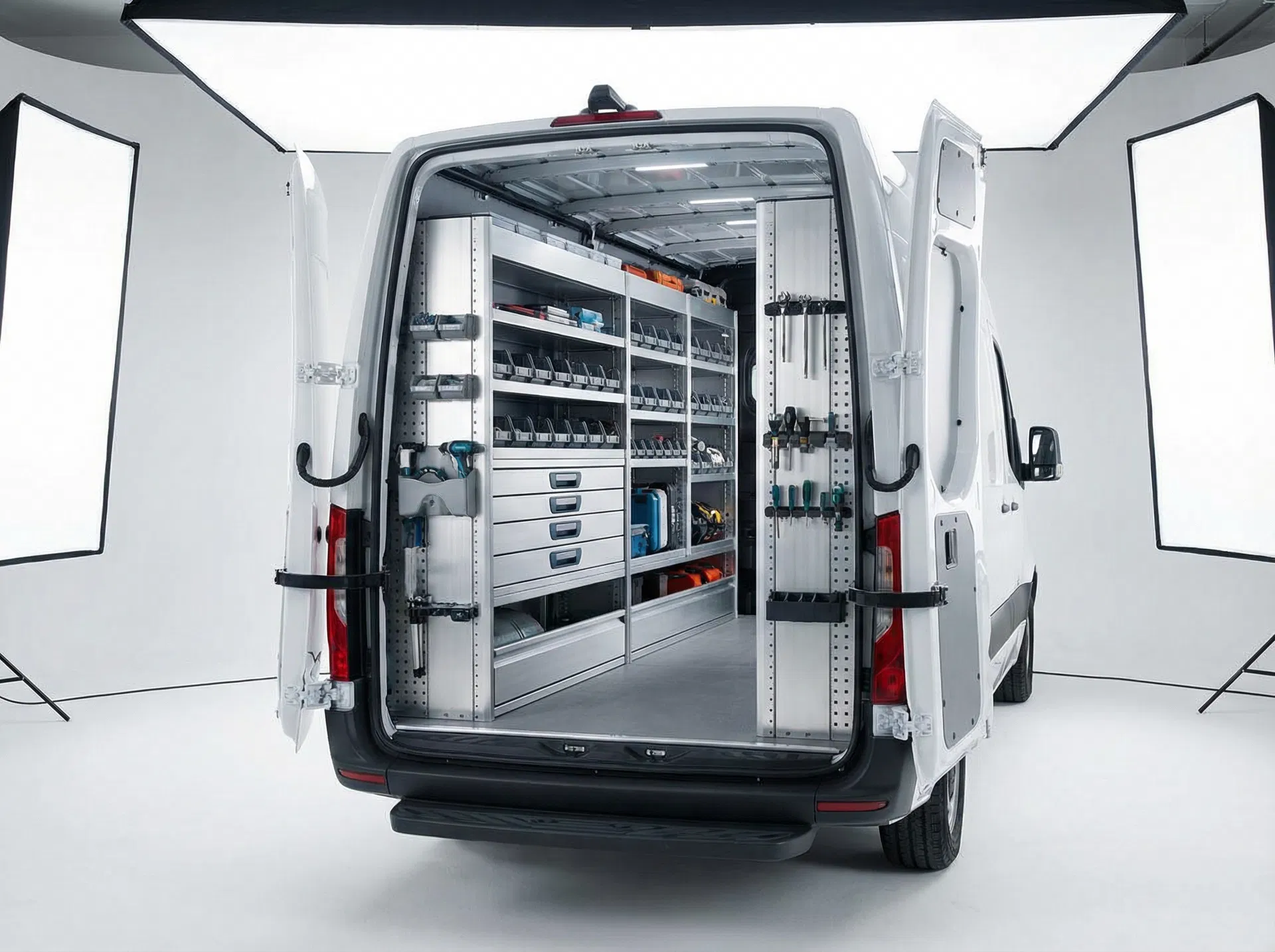
This niche has several characteristics that make it ideal for dropshipping. First, the products have high average order values — a van racking system might sell for £400–£600, meaning a single sale generates £80–£150 in gross profit. Second, the customers (tradespeople) are professionals who research purchases carefully and are willing to pay for quality. Third, the niche is specific enough to rank well in Google without competing against Amazon directly on every keyword.
Step 1: Choose Your Supplier
The most important decision you'll make is choosing your dropshipping supplier. For the UK tools niche, Avasam is the best starting point — it's a UK-based platform with hundreds of tools and automotive accessories suppliers, free to join, and integrates directly with Shopify and WooCommerce. GoDropship UK is a strong second option, particularly for power tools. For van racking specifically, you'll need to contact specialist suppliers like Ragnar Racking or VanRack directly and negotiate a trade account.
Step 2: Build Your Store
You have two main options: Shopify (easiest, £25/month) or WooCommerce (free but requires WordPress hosting). Shopify's Avasam integration is one-click and means your product catalogue, stock levels, and order forwarding are all automated. For a tools dropshipping business, Shopify is the recommended choice — the time saved on setup and automation is worth the monthly fee many times over.
Step 3: Import Your Products
Once your store is connected to Avasam or your chosen supplier, import 20–30 products to start. Don't try to list everything — focus on a specific category (van racking, power tools, or van security) and become the go-to resource for that category. Write original product descriptions rather than copying the supplier's text — this is essential for Google rankings.
Step 4: Drive Traffic
The most cost-effective traffic source for a tools dropshipping business is organic search (SEO). Write detailed buying guides, product comparisons, and how-to articles targeting the search terms your customers use. 'Best van racking for Ford Transit', 'van deadlock installation guide', and 'cordless drill comparison 2024' are all examples of high-intent searches that can drive qualified buyers to your store. Supplement with Google Shopping ads once you have your first few sales to prove the model.
Realistic Margins to Expect
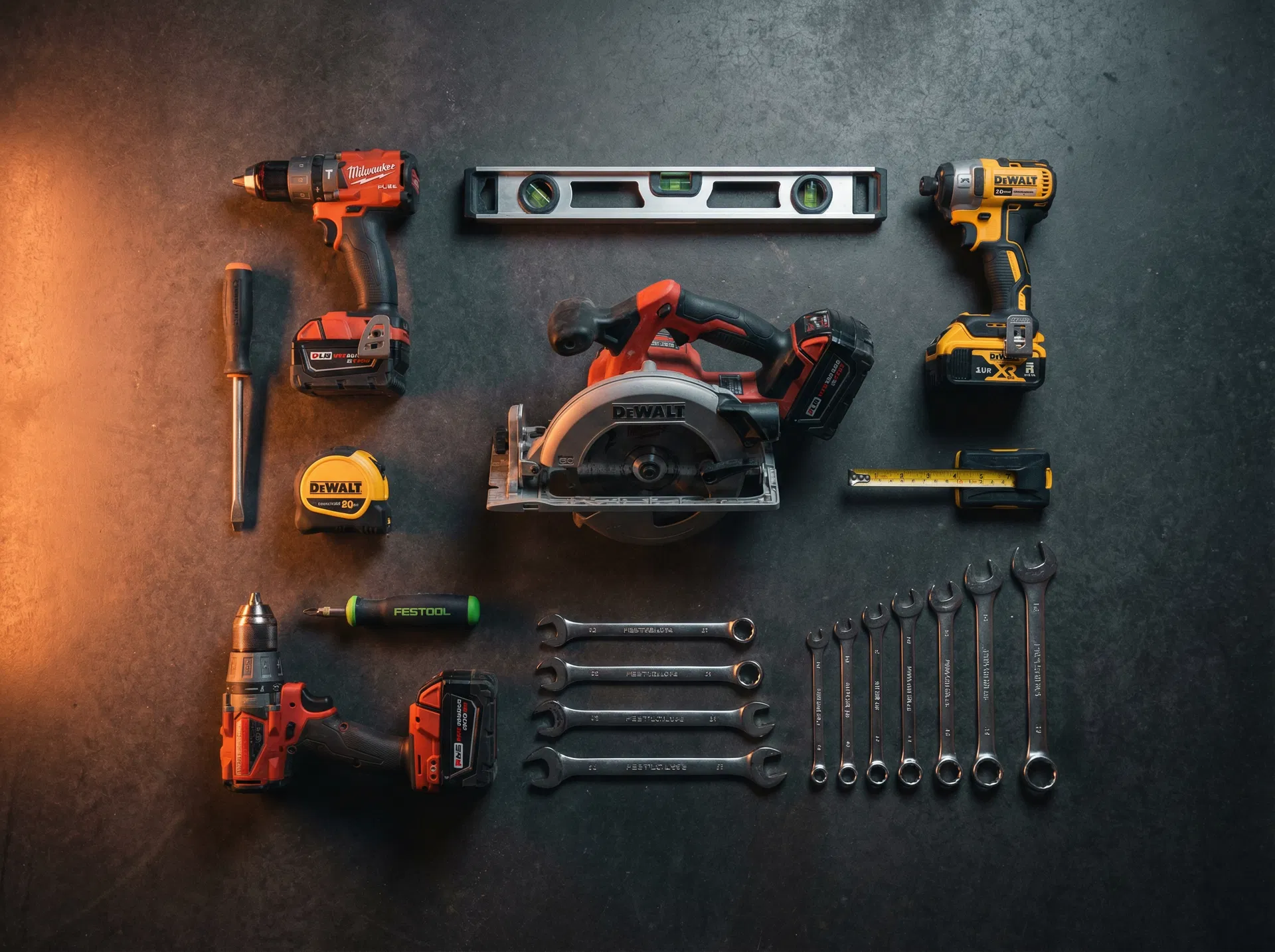
Gross margins in this niche typically run between 25% and 60% depending on the product category. Van racking and security products tend to have lower margins (20–30%) but higher order values. Power tools and accessories can achieve 40–60% margins. A realistic target for a well-run store in this niche is £2,000–£5,000 per month in gross profit within 12 months, with relatively modest marketing spend.
The Exit Strategy
One of the most attractive aspects of building a dropshipping business in this niche is the exit opportunity. A profitable, established ecommerce business in a specialist niche typically sells for 20–40 times its monthly profit on platforms like Flippa or Empire Flippers. A business generating £3,000/month in profit could realistically sell for £60,000–£120,000. Building with an exit in mind from day one — clean accounts, documented processes, diversified traffic sources — maximises your eventual sale price.
RELATED PRODUCTS
GET MORE TRADE TIPS
Weekly guides and deals delivered to your inbox.